


Headache-Free Candle Guide: Choosing, Burning, and Gifting Candles
We’ve all been there. You light a candle hoping for calm and comfort, only to be hit with an overpowering fragrance that lingers on your skin, your sofa, and worst of all, your head. What should be a peaceful ritual quickly becomes a headache-inducing experience.
If you’re sensitive to strong smells, you’re not alone. The problem isn’t candles themselves, it’s what’s inside them. Many mainstream candles are made with synthetic ingredients and heavy scent formulas that overwhelm instead of soothe.
Luckily, you can enjoy deliciously scented candles without side effects. The secret is cleaner ingredients, careful scent design, and a few smart burning habits.
Why Use Soy Candles
Soy candles are a favourite for many, and not just because they smell lovely. These candles burn cleaner, last longer, and release fewer toxins than traditional paraffin candles. For people sensitive to fragrance or concerned about indoor air quality, soy wax candles are a safer, eco-friendly option that still delivers a subtle, comforting aroma.
Benefits of Soy Candles:
- Cleaner burn – Soy produces less soot and smoke than paraffin, reducing indoor air irritants.
- Better scent control – Holds fragrance oils well for a gentle, consistent aroma.
- Eco-friendly – Made from soybean oil, soy wax is renewable and biodegradable.
-
Longer burn time – Offers more hours of relaxation per candle.
Soy, coconut, or beeswax candles are the safest bets if you want calm, even-smelling aromas.
Why Are Nest Candles So Expensive
Luxury candles like Nest have a higher price tag because of the quality behind them. These candles use premium wax blends, high-quality fragrance oils, and elegant packaging. Each candle is carefully hand-poured to ensure a consistent burn and optimal scent throw.
Factors That Increase Price:
- High-quality wax – Soy, beeswax, or blended natural waxes cost more than paraffin.
- Premium fragrance oils – Essential oils or carefully blended scents are pricier than synthetic options.
- Craftsmanship – Hand-pouring takes time and skill.
-
Packaging – Elegant jars, tins, or lids make candles more giftable.
Expensive doesn’t always mean better, but these elements often make the candle experience safer, more luxurious, and longer-lasting.
Why Candles Are So Expensive
Even outside luxury brands, candle prices can vary. The main influences include:
- Type of wax used
- Quality of fragrance oils
- Wick material
-
Brand and packaging
-
Production method (hand-poured vs machine-made)
Investing a little more often means longer-lasting, cleaner, and better-scented candles, giving you more value for your money.
What Are Most Candles Made Of
Understanding what’s inside a candle helps you choose the right one. Most candles are made from:
- Wax – Paraffin, soy, beeswax, or coconut
- Wick – Cotton or wooden
- Fragrance oils – Synthetic or essential oils
-
Dyes or additives – For colour or texture
Choosing candles with natural waxes and phthalate-free fragrance oils reduces headaches and irritation.
What Is a Candle Wick and How to Trim It
The wick controls how your candle burns. Keeping it trimmed to 0.5–1 cm ensures a clean flame, less smoke, and reduced risk of overheating. Proper wick care is essential for long-lasting candles and optimal scent release.
Tips for Wick Trimming:
- Trim before each burn
- Keep wick length around 0.5–1 cm
-
Remove any charred pieces before lighting
How Long Should You Burn a Candle at a Time
Candles should generally be burned in sessions of 3–4 hours. This allows the wax to melt evenly, prevents tunnelling, and ensures the fragrance spreads uniformly. Short, controlled burns also reduce smoke and preserve the life of your candle.
Why Can You Only Burn a Candle for 4 Hours
The 4-hour burn limit exists for safety and candle longevity. Burning longer can:
- Overheat the wax and container
- Shorten candle lifespan
-
Cause excessive smoke or soot
Following this rule helps maintain a balanced scent and a safer experience.
First Burn Candle Rules for Long-Lasting Candles
The first burn is crucial. Allow the top layer of wax to melt fully during the first burn to set an even wax pool. This prevents tunnelling and ensures the candle burns evenly in future sessions. Always trim the wick before the initial burn.
What Is Candle Throw
Candle throw refers to how far a candle’s scent spreads in a room.
- Strong throw – Quickly fills large spaces, often from luxury or heavily scented candles
-
Soft throw – Gentle and subtle, ideal for small rooms or sensitive noses
Choosing the right throw ensures your candle adds comfort without overwhelming your senses.
What Makes a Luxury Candle Good
A high-quality luxury candle combines:
- Natural, toxin-free wax
- Phthalate-free fragrance oils or essential oils
- Balanced scent throw
-
Hand-poured craftsmanship and elegant packaging
Luxury doesn’t have to be overpowering to be enjoyable. Gentle scented candles can feel just as luxurious.
What Makes a Candle Strong Scent Throw
A strong scent throw comes from:
- High-quality fragrance oils
- Optimal wax-to-fragrance ratio
- Proper wick size
- Well-ventilated space
If you prefer subtle scents, look for candles marketed as soft scent candles or “moderate throw” options.
What Candle Scent Should You Choose
For scent-sensitive individuals, gentle aromas are best:
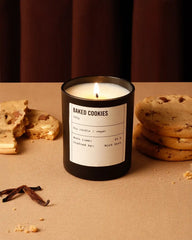
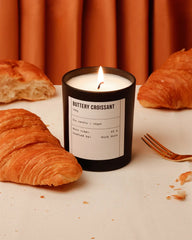
- Warm bakery notes – Chocolate, buttery croissants, maple-glazed pastries
- Delicate fruits and cream – Strawberry cream, peach milk tea, lightly sweetened vanilla
- Soft woods and paper – Cedar, old books, parchment
Soft scents comfort without overpowering, making them ideal for everyday relaxation.
What to Give With a Candle
Candles make excellent gifts on their own, but pairing them thoughtfully enhances the experience:
- Small diffuser or essential oils
- Cosy throw or blanket
-
Decorative mug or tea set
Thoughtful pairings make candle gifting personal and memorable.
What to Do With Leftover Candle Wax
Leftover wax can be reused instead of thrown away:
- Melt into wax melts
- Make a new candle
-
Create scented sachets for drawers or wardrobes
This is a great way to get the most value from your candles.
How to Make a Scented Candle
Making your own scented candle is simple and fun:
- Melt natural wax in a double boiler
- Mix in fragrance oils or essential oils
- Pour into a container with a trimmed wick
-
Let it cool and set fully before lighting
DIY candles let you control wax type, fragrance, and scent intensity, perfect for sensitive noses.
People Also Ask
Q: Are you supposed to cut candle wicks before lighting?
A: Yes, trimming to 0.5–1 cm ensures a clean, even burn.
Q: What is the 3-hour candle rule?
A: Burn candles in sessions of 3–4 hours for safety and longevity.
Q: How to trim wick?
A: Use scissors to cut the wick to 0.5–1 cm before every burn.
Q: First burn candle rules for long-lasting candles?
A: Allow the wax pool to melt fully on the first burn and trim the wick for even burning.
Q: How to make a scented candle?
A: Melt natural wax, add fragrance oils, pour into a container with a trimmed wick, and let it set.
Q: How to roast marshmallows with a candle?
A: Only slow-cook small treats over a candle flame, and always supervise carefully.
Candles should add peace to your space, not headaches. With natural wax, toxin-free ingredients, proper wick care, and balanced scent throws, your candle experience can be relaxing, luxurious, and safe.
Wick Guru candles are designed for those who love ambiance without the migraine. Light a candle, breathe easy, and let your space feel as good as it smells.